

West Virginia Officials Update on National Guard Tragedy and Operations in Washington
Governor Patrick Morrisey and Major General James Seward provided a somber update on the condition of Staff Sergeant Andrew Wolfe, who was critically wounded in a shooting that claimed the life of Specialist Sarah Beckstrom. Both West Virginia National Guard members were on patrol near Washington D.C.’s Farragut West Metro station when they were allegedly attacked by Afghan evacuee Rahmanullah Lakanwal. In what officials described as a positive development, Wolfe’s condition has improved from “critical” to “serious,” with the governor sharing that Wolfe had responded to a nurse’s request for a thumbs-up gesture. Wolfe’s parents, Melody and Jason, have asked the public to continue offering prayers for their son’s recovery as he fights to heal from his injuries.
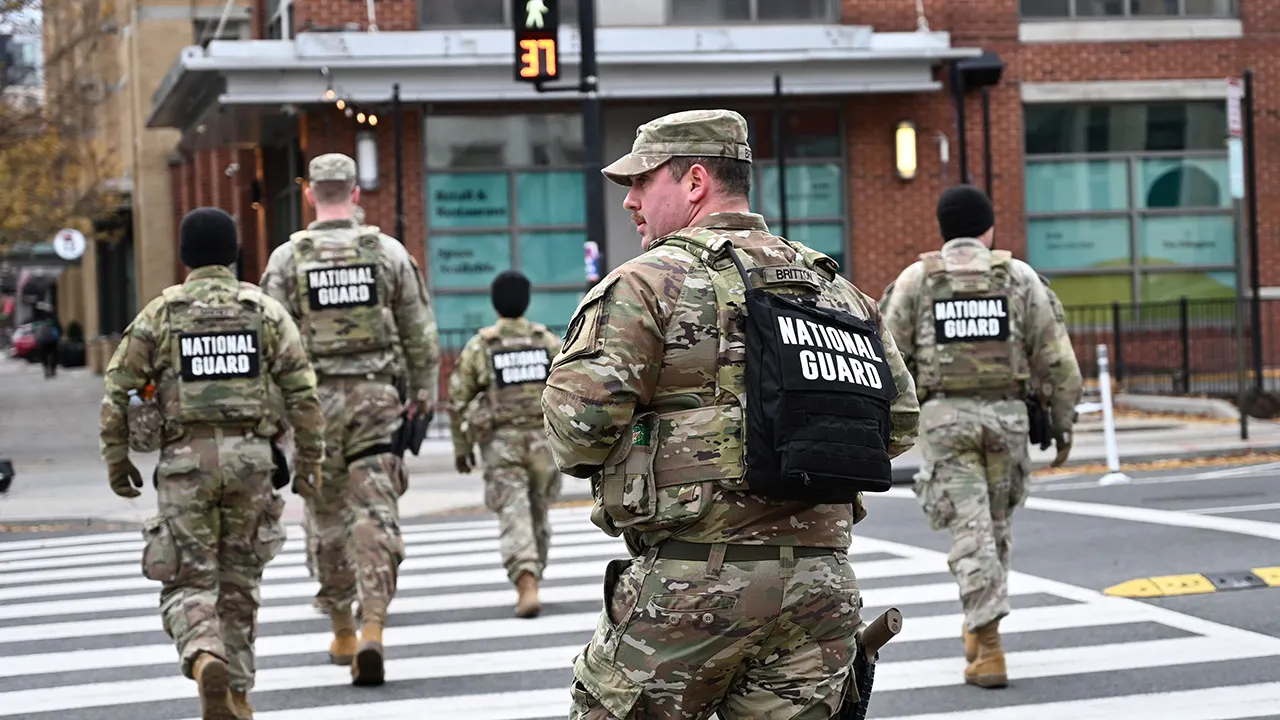
The tragedy has deeply affected West Virginia communities, with Governor Morrisey attending vigils in both Webster County for Beckstrom and the Eastern Panhandle for Wolfe. The governor and General Seward spent Thanksgiving Day with National Guard members stationed at the D.C. Armory, emphasizing that all 170 Guard members currently serving in Washington are volunteers who “believe in the mission” and want to support both their state and country. This commitment comes despite the shocking attack that has shaken the tight-knit Guard community of approximately 6,000 members statewide. As General Seward poignantly noted, “When we lose one of our family members, I can tell you that every Guardsmen I talk to is grieving.”
While addressing questions about the investigation, Governor Morrisey took a measured approach, condemning media speculation about the shooting while acknowledging the legitimate anger felt by West Virginia citizens. “Justice must be done in this case. Justice will be meted out,” he stated firmly, while avoiding political commentary on the incident itself. He did, however, express support for President Trump’s calls for improved vetting procedures for refugees and undocumented immigrants, suggesting that such changes could prevent similar tragedies in the future.
The governor clarified that despite the attack, West Virginia has not been asked to deploy additional troops beyond its current rotation commitments in Washington. He emphasized that all Guard service in the capital remains voluntary, a point of pride for the state’s military personnel who continue their mission despite the recent violence. Morrisey also mentioned ongoing communication with President Trump and Attorney General Pam Bondi regarding the National Guard’s activities, noting he would defer to federal leadership on broader policy decisions while focusing on supporting West Virginia’s servicemembers and their families.
Throughout the press conference, officials balanced providing updates on the wounded guardsman with respecting the privacy and medical realities of his condition. “I’m not the doctor, and I’m not going to try to pretend to be so,” Governor Morrisey stated when pressed about Wolfe’s long-term prognosis, choosing instead to focus on the encouraging signs of improvement and the strength shown by the soldier’s family. This careful approach reflected the gravity of the situation while offering hope to a state community united in concern for one of their own.
The shooting has underscored the risks faced by National Guard members even when serving on domestic soil, and highlighted the deep connections between military service and the communities of West Virginia. As the state continues to process this tragedy, officials have prioritized supporting the affected families while ensuring the ongoing mission in Washington can continue safely. The dual loss and injury of these guardsmen has resonated far beyond military circles, touching communities across the Mountain State and drawing national attention to the sacrifices made by those who volunteer to serve in uniform, whether overseas or at home.