



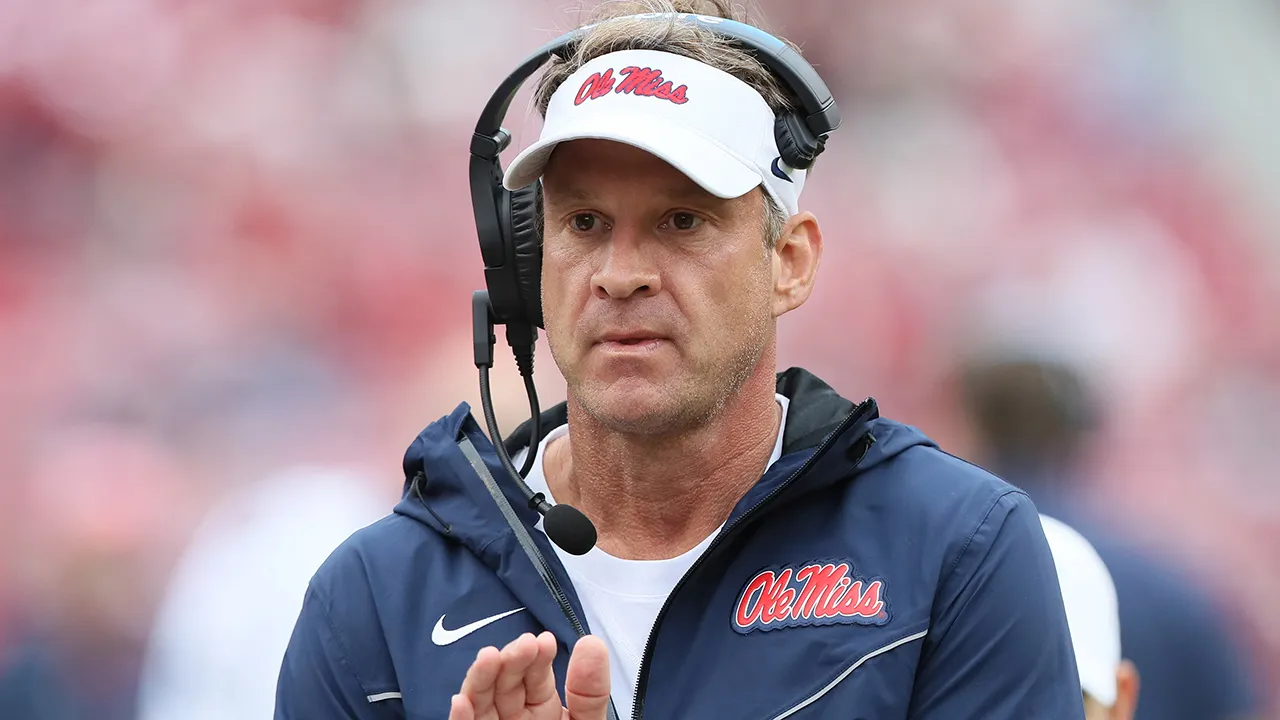
Lane Kiffin’s Move to LSU: A New Chapter Unfolds
Lane Kiffin’s recent decision to leave Ole Miss for LSU has sent ripples through the college football landscape, marking a significant shift in the Southeastern Conference. On Monday morning, Kiffin shared a cryptic post on social media that seemed to reflect his mindset during this transition. “Exhale. Have the best Monday ever. #GodsPlan,” he wrote, accompanied by a passage about letting go and allowing life to reform as intended. This philosophical tone suggests Kiffin is attempting to find peace with his controversial decision, while simultaneously signaling to fans and critics alike that he believes this move is part of a greater purpose for his coaching journey. The timing of his departure has raised eyebrows across the college football community, as he leaves behind an Ole Miss team poised to enter the College Football Playoff for the first time in school history – a milestone achievement he helped engineer.
The decision was evidently not made lightly, as Kiffin described it as “challenging” in his interview with ESPN. He revealed his desire to continue coaching Ole Miss through their playoff run, explaining, “We went through a lot last night with Keith Carter trying to figure out a way to make this playoff run work and be able to coach the team.” However, the final decision rested with the Ole Miss athletic director, who opted to move forward without Kiffin at the helm. This separation in the midst of potential championship contention adds a layer of complexity to Kiffin’s departure, highlighting the sometimes painful business aspects of college athletics. Despite no longer being their coach, Kiffin expressed his continued support for the team, stating, “I just totally wish the team the best of luck, wish that I was coaching… I just hope they play really well and go win the national championship.”
Before making this career-altering decision, Kiffin sought guidance from his mentors, including Las Vegas Raiders coach Pete Carroll and former Alabama coach Nick Saban – two figures who have significantly influenced his coaching philosophy. Carroll’s advice seems to have been particularly impactful, with Kiffin recounting, “My heart was here. But I talked to some mentors – coach Carroll, coach Saban. Especially when coach Carroll said, ‘Your dad would tell you to go. Take the shot.'” This reference to his father, Monte Kiffin, a respected defensive coach, adds a personal dimension to the professional decision. Kiffin also reflected on his controversial one-year stint at Tennessee earlier in his career, noting, “I always hated how we gave it one year at Tennessee and left. I hated that feeling.” This suggests his Ole Miss departure carries emotional weight, despite his pride in the program’s accomplishments during his tenure, including “the best regular season in the history of the school.”
The spiritual aspect of Kiffin’s decision-making process was also highlighted in his comments, as he mentioned, “I talked to God, and he told me it’s time to take a new step. It’s a new chapter.” This framing of his move as divinely guided may provide comfort to Kiffin while potentially resonating with fans in the deeply religious South. Meanwhile, Ole Miss has moved quickly to maintain stability, promoting defensive coordinator Pete Golding to head coach. This internal promotion suggests the program is aiming for continuity rather than a complete overhaul, hoping to build upon the foundation Kiffin established during his tenure. The quick transition speaks to the urgency of the situation, with Ole Miss needing leadership as they prepare for their historic playoff appearance.
For LSU, Kiffin’s arrival represents a fresh opportunity to rebuild their program into the championship contender it once was. The Tigers have struggled to maintain consistent success since their national championship in 2019 under Ed Orgeron, and Kiffin – with his offensive acumen and recruiting prowess – presents a potential solution to their recent challenges. His proven ability to develop high-powered offenses and compete in the SEC makes him an attractive hire for a program with LSU’s resources and expectations. The timing of this coaching change is particularly significant as college football prepares to enter a new era with an expanded playoff format and continuing conference realignment, positioning both programs at a critical juncture in the sport’s evolution.
Kiffin leaves Ole Miss after guiding them to their 11th win of the season in the Egg Bowl against Mississippi State – a fitting final chapter to his successful tenure with the Rebels. His departure exemplifies the volatile nature of college coaching, where success often leads to bigger opportunities and difficult decisions. As Kiffin settles into his new role at LSU and Ole Miss moves forward under new leadership, both programs face uncertain but potentially bright futures. The coaching carousel continues to spin, reminding players, fans, and administrators alike that in college football, change is perhaps the only constant. This particular change – Kiffin’s move from Oxford to Baton Rouge – will likely be remembered as one of the more consequential coaching transitions in recent SEC history, with ramifications that will unfold in the seasons to come.