



Europe Calls for Russian Accountability Amid Peace Efforts
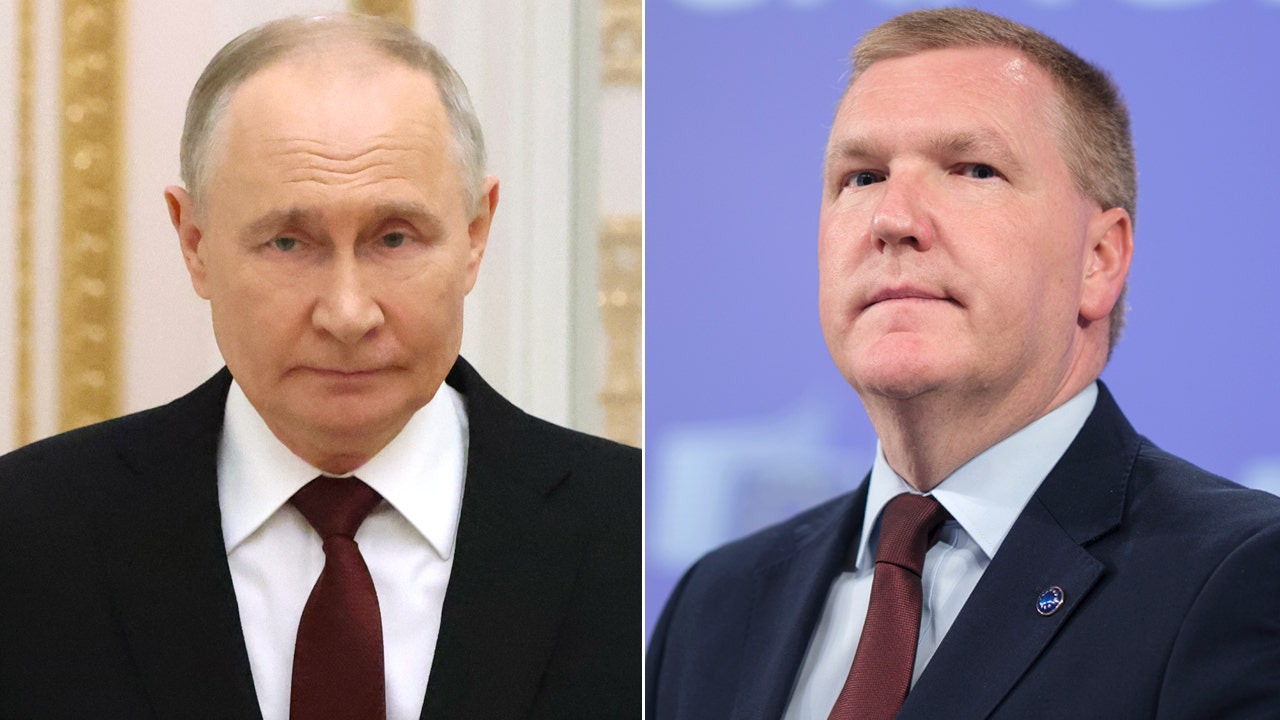
In the complex landscape of international diplomacy, European Union officials are urging caution as the Trump administration endeavors to broker peace between Russia and Ukraine. European Commissioner for Democracy, Justice, the Rule of Law and Consumer Protection Michael McGrath has taken a firm stance against any potential peace agreement that might overlook Russia’s actions during the conflict. His warning against “impunity” reflects a broader European concern that accountability must remain central to any resolution process. “I don’t think history will judge kindly any effort to wipe the slate clean for Russian crimes in Ukraine,” McGrath stated, emphasizing that holding Russia accountable “will be the approach of the European Union in all of these discussions.”
The European position represents a significant perspective in the ongoing diplomatic efforts. McGrath’s warning that allowing impunity would be “a historic mistake of huge proportions” underscores the gravity with which many European officials view the situation. His concern is not merely about the current conflict but about establishing precedents for international behavior in the future. By suggesting that overlooking alleged Russian violations would be “sowing the seeds of the next round of aggression,” McGrath is articulating a view that extends beyond immediate peace to long-term regional stability. This perspective highlights the tension between achieving a rapid peace agreement and ensuring that such an agreement includes mechanisms for justice and accountability.
At the heart of the European concern is the human cost of the conflict. “We cannot give up on the rights of the victims of Russian aggression and Russian crimes,” McGrath asserted, drawing attention to the millions of lives affected by the war. His reference to lives “taken or destroyed, and people forcibly removed” serves as a reminder of the profound humanitarian dimension of the conflict. The European position seems to prioritize justice for these victims alongside the pursuit of peace, suggesting that a truly sustainable resolution must address both immediate hostilities and their lasting consequences. This stance reflects longstanding European values regarding human rights and international law, positioning accountability as non-negotiable in any peace process.
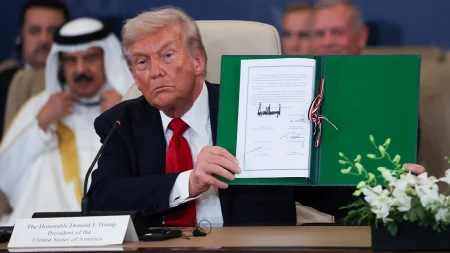
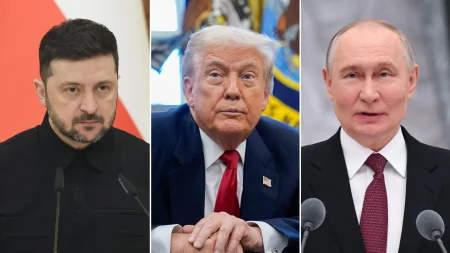
This European perspective exists within a dynamic diplomatic environment where multiple parties are working toward resolution. The Trump administration’s peace efforts represent a significant development in the international response to the conflict. While the specific details of these diplomatic initiatives remain largely undisclosed, they clearly involve high-level engagement with both Russian and Ukrainian representatives. This American involvement adds another layer to an already complex situation, potentially creating both opportunities and challenges for resolving the conflict. The interaction between American diplomatic efforts and European principles of accountability will likely shape the nature of any potential agreement that emerges.
Despite potential differences in approach, Ukrainian President Volodymyr Zelenskyy has publicly expressed appreciation for the Trump administration’s engagement. “I am grateful to the United States, to President Trump’s team, and to the President personally for the time that is being invested so intensively in defining the steps to end the war,” Zelenskyy stated in a social media post. This gratitude suggests a willingness to engage with various diplomatic initiatives, even as questions about accountability and justice remain central to discussions. Zelenskyy’s position reflects the difficult balancing act faced by Ukrainian leadership – weighing the immediate need to end hostilities against longer-term concerns about territorial integrity, justice, and security guarantees.
As peace talks proceed, the international community faces fundamental questions about how to balance pragmatism with principle. The European insistence on accountability highlights a crucial consideration in conflict resolution: that lasting peace requires more than simply ending hostilities. It necessitates addressing the underlying causes and consequences of conflict, including recognition of harm and mechanisms for justice. The tension between immediate peace and enduring justice represents one of the most challenging aspects of international diplomacy. As various international actors continue their efforts toward resolution, these competing priorities will need to be reconciled in ways that satisfy immediate security concerns while also laying groundwork for sustainable peace. The outcome of these diplomatic efforts will not only affect the immediate parties to the conflict but will also establish precedents for how the international community addresses similar situations in the future.