


Trump’s Health: Promises, Politics, and Public Scrutiny
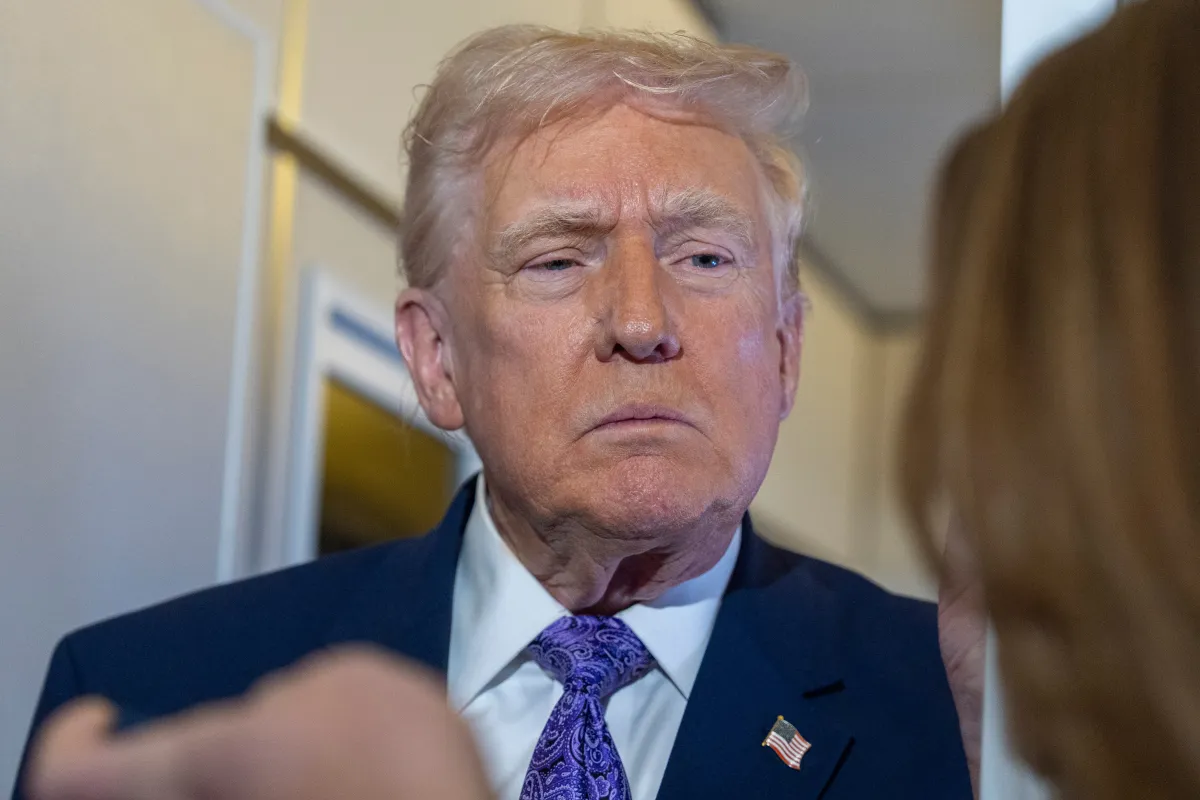
In a significant development that highlights the ongoing scrutiny of presidential health, Donald Trump announced he would release the results of an October MRI test, responding to mounting pressure from Democratic figures. Speaking to reporters while returning to Washington from Florida, the former president characterized the results as “perfect” while curiously claiming ignorance about which body part was examined. “It wasn’t the brain because I took a cognitive test and I aced it,” Trump asserted, adding another layer to the health transparency debate that has become increasingly contentious in American politics. This promise comes amid growing questions about the 78-year-old’s physical condition, particularly after visible bruising on his hands and a July diagnosis of chronic venous insufficiency, a circulatory condition common in older adults.
The heightened interest in Trump’s medical status follows what the White House had previously described as a routine physical at Walter Reed National Military Medical Center. White House Press Secretary Karoline Leavitt has maintained that Trump remains in “exceptional physical health” based on imaging results, while Vice President JD Vance expressed confidence in August that the president is “in good shape” and capable of completing his term effectively. Yet these reassurances have done little to quiet Democratic calls for transparency, especially after Minnesota Governor Tim Walz posted on social media demanding the release of the MRI results—a message that quickly garnered eight million views. Walz intensified his critique during an appearance on NBC’s Meet the Press, questioning the plausibility of receiving an MRI without knowing its purpose and expressing concern about Trump’s behavior, including late-night social media posts using inflammatory language against political opponents.
The health transparency issue has gained particular resonance in the wake of President Biden’s exit from the 2024 presidential race, which was widely attributed to concerns about his age and stamina. As Trump himself became the oldest man to assume the presidency, followed closely by Biden, questions about the physical and cognitive capabilities of America’s leaders have moved from political sidelines to center stage. This shift represents a growing public expectation that those seeking the nation’s highest office should provide comprehensive information about their health status, similar to longstanding traditions regarding tax returns and financial disclosures—areas where Trump has also faced criticism for limited transparency during both his presidency and campaigns.
Governor Walz’s criticism extended beyond mere demands for medical information, cutting to broader concerns about Trump’s capacity to serve effectively. “Here we got a guy on Thanksgiving where we spent time with our families, we ate, we played Yahtzee, we cheered for football or whatever. This guy is, apparently, in a room ranting about everything else,” Walz remarked during his NBC appearance, adding that such behavior is “not normal” and “not healthy.” The governor’s concerns were echoed by other Democratic figures, including CNN commentator Adam Kinzinger, political influencer Harry Sisson, and the Democratic Governors Association, creating a chorus of voices questioning whether Trump’s health status might impact his decision-making capabilities on matters of national importance.
The debate around Trump’s health transcends routine political sparring, touching on fundamental questions about presidential fitness and the public’s right to information. Walz articulated these stakes clearly: “The president’s fading physically, I think the mental capacity, again, ranting, you know, crazily at midnight on Thanksgiving about everything else. There are reasons for us to be concerned. This is a guy that randomly says the airspace over Venezuela is closed. He’s ruminating on if you could win a nuclear war.” Such statements frame health transparency not merely as a political talking point but as a national security concern, suggesting that a president’s physical and mental condition directly affects their ability to make sound decisions in crisis situations and represent American interests on the global stage.
As the White House has yet to provide a specific timeline for the release of Trump’s MRI results, this episode underscores the evolving standards for presidential health disclosure in the modern era. While past presidents have navigated varying degrees of medical transparency—from Franklin D. Roosevelt’s concealed paralysis to Ronald Reagan’s cancer surgeries—today’s information landscape and heightened partisan scrutiny create unprecedented pressure for comprehensive health revelations. Whether Trump’s promised disclosure will satisfy his critics or simply spark further questions remains to be seen, but the controversy highlights how presidential health has become not just a matter of personal privacy but a deeply political issue touching on fundamental questions of leadership capability and public trust in an aging political establishment.